
7 Proven Strategies to Improve Classroom Behavior Without Public Shaming
Classroom Behavior Management Techniques
Classroom Behavior Management Techniques
Classroom Behavior Management Techniques
Classroom Behavior Management Techniques
Classroom Behavior Management Techniques
Introduction:
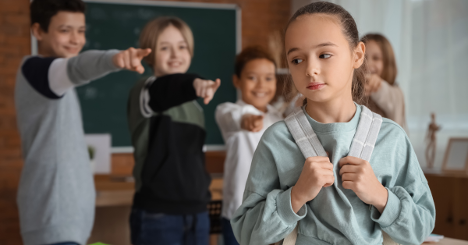
Creating a positive and productive classroom environment is essential for fostering learning and academic success. However, traditional methods of addressing misbehavior, such as public shaming, can have detrimental effects on students' self-esteem and overall well-being. In this comprehensive guide, we'll explore seven proven strategies to improve classroom behavior without resorting to public shaming. These strategies empower educators to create a supportive and inclusive learning environment where all students can thrive.
1. Establish Clear Expectations and Consistent Consequences
- Setting Clear Expectations: Clearly communicate behavioral expectations to students from the outset. Use language that is specific, positive, and easy to understand.
- Consistent Consequences: Implement consistent consequences for both positive and negative behavior. Ensure that consequences are fair, proportionate, and enforced consistently for all students.
- Foster Positive Relationships
- Build Trust and Rapport: Take the time to build positive relationships with each student. Show genuine interest in their lives, listen to their concerns, and provide support when needed.
- Encourage Collaboration: Create opportunities for students to work together and collaborate on projects. Encourage a sense of community and mutual respect within the classroom.
- Implement Positive Reinforcement
- Celebrate Success: Recognize and celebrate students' achievements, both big and small. Use praise, rewards, and positive reinforcement to encourage desired behaviors.
- Utilize Incentives: Create incentive programs or reward systems to motivate students to meet behavioral expectations. Offer rewards such as extra privileges, classroom privileges, or special activities.

- Teach Self-Regulation Skills
- Emotional Regulation: Teach students strategies for managing their emotions and impulses effectively. Provide tools such as deep breathing exercises, mindfulness activities, or self-calming techniques.
- Problem-Solving Skills: Equip students with problem-solving skills to resolve conflicts and address challenges constructively. Teach them how to communicate effectively, compromise, and seek help when needed.
- Implement Restorative Practices
- Repair Harm: When conflicts or incidents occur, focus on repairing the harm caused rather than assigning blame or punishment. Facilitate discussions where students can express their feelings, apologize, and make amends.
- Encourage Empathy: Help students develop empathy by encouraging them to consider the perspectives and feelings of others. Foster a culture of understanding, forgiveness, and reconciliation within the classroom.
- Provide Individualized Support
- Identify Underlying Issues: Take the time to understand the underlying reasons for a student's behavior. Is it due to academic struggles, social challenges, or personal issues? Provide targeted support and interventions accordingly.
- Offer Counseling and Resources: Connect students with counseling services, academic support, or other resources as needed. Provide a safe space where students can seek help and receive guidance without fear of judgment.
- Model Positive Behavior
- Lead by Example: As an educator, model the behavior you wish to see in your students. Demonstrate respect, patience, and kindness in your interactions with others.
Provide Feedback: Reflect on your own behavior and seek feedback from colleagues and students. Be open to constructive criticism and commit to continuous improvement.
Conclusion:
Improving classroom behavior without resorting to public shaming requires a proactive and holistic approach. By establishing clear expectations, fostering positive relationships, implementing positive reinforcement, teaching self-regulation skills, utilizing restorative practices, providing individualized support, and modeling positive behavior, educators can create a supportive and inclusive learning environment where all students can thrive. By implementing these strategies, educators can promote a culture of respect, responsibility, and resilience in the classroom, ultimately enhancing the academic and social-emotional well-being of their students.
FAQs:
Q1: Why is public shaming ineffective in improving classroom behavior?
A1: Public shaming can have detrimental effects on students' self-esteem and emotional well-being. It can lead to feelings of shame, humiliation, and resentment, ultimately hindering the learning process.
Q2: How can positive reinforcement enhance classroom behavior?
A2: Positive reinforcement involves rewarding desired behaviors to encourage their repetition. By recognizing and celebrating students' achievements, educators can motivate them to meet behavioral expectations and cultivate a positive classroom environment.
Q3: What are restorative practices, and how do they benefit classroom management?
A3: Restorative practices focus on repairing harm and restoring relationships rather than assigning blame or punishment. By facilitating open dialogue, empathy, and reconciliation, restorative practices can promote accountability, understanding, and a sense of community within the classroom.
[bdp_post_carousel show_tags="false" show_comments="false" show_category="false" dots="false" limit="10" orderby="rand"]
You can signup for free